
The Importance of a Healthy Home

Spray Foam enhances your home’s environment with superior insulation, improving indoor air quality, energy efficiency, and overall well-being. In a world where indoor air quality, energy efficiency, and environmental concerns are paramount, the materials and methods used in home construction and insulation can significantly impact your living space. One of the most effective ways to improve your home’s environment is by using spray foam insulation. This innovative insulation method offers numerous benefits that enhance comfort, health, and energy efficiency. This comprehensive guide explores the various ways spray foam insulation can transform your home into a sanctuary of well-being.
- Understanding Spray Foam Insulation
Spray foam insulation is a cutting-edge insulation material composed of polyurethane and isocyanate, which, when combined, react to form a foam that expands and hardens. This foam can be sprayed into walls, ceilings, floors, and other areas of your home to create an airtight barrier that insulates and protects your living space.
There are two main types of spray foam insulation:
Open-Cell Spray Foam: This type of foam is lighter, less dense, and more flexible. It is suitable for interior applications and allows for some air and moisture permeability, which can be beneficial in certain climates.
Closed-Cell Spray Foam: This type of foam is denser and more rigid, providing superior moisture resistance and structural support. It is often used in exterior applications and in areas prone to high humidity.
Spray foam insulation’s ability to fill gaps, cracks, and crevices makes it far superior to traditional insulation materials like fiberglass or cellulose. Its seamless application ensures that your home is well-protected against air leakage, moisture intrusion, and temperature fluctuations.
- The Role of Insulation in a Healthy Home Environment
Insulation is crucial in maintaining a healthy home environment. Proper insulation helps regulate indoor temperatures, reduce energy consumption, and prevent outdoor pollutants from entering your home. Traditional insulation materials, however, often fail to provide the level of protection needed to create an optimal living space. Spray foam insulation, with its advanced properties, steps in to fill this gap.
Spray foam insulation acts as both a thermal and air barrier, reducing the flow of heat and preventing unwanted air from entering or escaping your home. This not only enhances energy efficiency but also contributes to improved indoor air quality. By sealing your home effectively, spray foam insulation reduces the infiltration of outdoor pollutants, allergens, and harmful chemicals, creating a safer and more comfortable living environment for your family.
- Epic Spray Foam: Leading the Way in Healthy Home Insulation
When considering spray foam insulation, choosing a trusted provider is essential to ensure the best results. Epic Spray Foam stands out as a leader in the industry, offering high-quality insulation solutions that enhance the comfort and well-being of your home. Epic Spray Foam is committed to delivering top-tier products that meet the highest standards of performance and safety. Their expert team ensures precise and careful installation, creating a seamless, airtight barrier that protects your home from energy loss, moisture, and pollutants. By opting for Epic Spray Foam, you’re investing in a healthier, more energy-efficient home that benefits your family for years to come. - How Spray Foam Insulation Improves Indoor Air Quality
Indoor air quality is a critical factor in maintaining a healthy home. Poor indoor air quality can lead to various health issues, including allergies, asthma, and other respiratory problems. Spray foam insulation significantly improves indoor air quality by minimizing the infiltration of outdoor pollutants and allergens.
Traditional insulation materials, such as fiberglass or cellulose, can leave small gaps that allow air to leak into your home. This air often carries dust, pollen, mold spores, and other allergens, exacerbating respiratory conditions. Spray foam insulation, on the other hand, expands to fill every gap and crack, creating a continuous, airtight barrier that prevents contaminants from entering your living space. Additionally, spray foam insulation does not off-gas harmful chemicals, further contributing to a healthier indoor environment.
By investing in spray foam insulation, you can create a cleaner, healthier indoor environment that reduces the risk of respiratory issues and enhances overall well-being.
- Energy Efficiency and Comfort: The Benefits of Spray Foam Insulation
Energy efficiency is a primary concern for homeowners, not only for cost savings but also for reducing environmental impact. Spray foam insulation excels in this area by providing an unparalleled level of thermal insulation, significantly reducing energy consumption.
Unlike traditional insulation materials, spray foam insulation forms a seamless barrier that prevents air leaks and heat loss. This means your home stays warmer in the winter and cooler in the summer, reducing the need for constant heating and cooling. As a result, your HVAC system operates more efficiently, leading to lower energy bills and a reduced carbon footprint.
Moreover, spray foam insulation enhances comfort by eliminating drafts, cold spots, and temperature fluctuations. Your home maintains a consistent, comfortable temperature year-round, improving the overall living experience for your family.
In addition to its thermal benefits, spray foam insulation also offers excellent soundproofing. The dense foam absorbs sound waves, reducing noise transmission between rooms and from the outside, creating a quieter and more peaceful home environment.
- Moisture Control and Mold Prevention with Spray Foam Insulation
Moisture is one of the most significant threats to a healthy home environment. Excess moisture can lead to mold and mildew growth, which can cause a range of health problems, including respiratory issues, allergies, and even structural damage to your home.
Spray foam insulation is highly resistant to moisture, providing a durable barrier against water infiltration. Closed-cell spray foam, in particular, is impermeable to water, making it an excellent choice for areas prone to high humidity or water exposure. By keeping moisture at bay, spray foam insulation helps prevent mold growth and maintain a dry, healthy living environment.
In addition to mold prevention, spray foam insulation protects your home from water damage. By sealing gaps and cracks, it prevents water from seeping into walls, floors, and ceilings, reducing the risk of rot and structural damage. This not only enhances the durability of your home but also contributes to a healthier living environment for your family.
- Long-Term Health Benefits of Spray Foam Insulation
Investing in spray foam insulation is an investment in your family’s long-term health. By creating a healthier indoor environment, spray foam insulation reduces the risk of chronic health issues and enhances overall well-being.
One of the most significant health benefits of spray foam insulation is its ability to reduce exposure to harmful chemicals and pollutants. Traditional insulation materials, such as fiberglass, can contain substances like formaldehyde, which can off-gas and negatively impact indoor air quality. Spray foam insulation, on the other hand, is free from these harmful chemicals, providing a safer, healthier living environment.
Furthermore, by improving indoor air quality and preventing mold growth, spray foam insulation reduces the risk of respiratory issues and other health problems. This is particularly important for families with young children, elderly members, or individuals with pre-existing health conditions.
Spray foam insulation also contributes to long-term health by promoting better sleep and reducing stress. The improved comfort, consistent temperatures, and reduced noise levels created by spray foam insulation contribute to a more restful and peaceful living environment, which is essential for overall health and well-being.
- How Spray Foam Insulation Enhances Structural Integrity
Spray foam insulation offers more than just thermal and air sealing benefits; it also enhances the structural integrity of your home. Closed-cell spray foam, in particular, is known for its strength and durability, providing additional support to walls, ceilings, and roofs.
When applied, closed-cell spray foam expands and hardens into a rigid, solid structure that reinforces the building materials in your home. This added strength helps protect your home from damage caused by high winds, heavy snow, and other environmental factors. Additionally, spray foam insulation helps prevent rot and decay in wooden structures, further enhancing the longevity and durability of your home.
By improving the structural integrity of your home, spray foam insulation not only contributes to a safer living environment but also increases the value of your property. A well-insulated home with strong structural support is more attractive to potential buyers and can command a higher resale value.
- Cost Savings and Return on Investment
While the initial cost of spray foam insulation may be higher than traditional insulation materials, the long-term cost savings and return on investment make it a worthwhile investment for homeowners. Spray foam insulation’s superior energy efficiency leads to significant reductions in heating and cooling costs, often resulting in a return on investment within just a few years.
In addition to energy savings, spray foam insulation helps reduce maintenance and repair costs. By preventing moisture infiltration, it reduces the risk of mold growth, water damage, and structural issues, which can be costly to repair. Furthermore, the durability and longevity of spray foam insulation mean it will likely last the lifetime of your home, reducing the need for costly replacements or upgrades.
When considering the long-term health benefits, energy savings, and increased property value, the initial investment in spray foam insulation is well worth the cost. By creating a healthier, more energy-efficient, and structurally sound home, you’re investing in the well-being of your family and the future of your property.
- Environmental Benefits of Spray Foam Insulation
In addition to health and cost benefits, spray foam insulation offers significant environmental advantages. By reducing energy consumption, spray foam insulation helps lower greenhouse gas emissions and reduce your home’s carbon footprint. This is particularly important in today’s world, where the need for sustainable and eco-friendly building practices is more critical than ever.
Spray foam insulation also contributes to a more sustainable home by reducing the need for additional heating and cooling equipment. By maintaining consistent indoor temperatures, spray foam insulation reduces the strain on your HVAC system, extending its lifespan and reducing the need for frequent repairs or replacements.
Furthermore, spray foam insulation helps reduce waste and the consumption of non-renewable resources. Traditional insulation materials, such as fiberglass and cellulose, often require more frequent replacements and generate more waste over time. In contrast, spray foam insulation’s durability and long lifespan mean that less material is needed, resulting in less waste and a smaller environmental impact.
Additionally, some spray foam insulation products are made from renewable or recycled materials, further enhancing their eco-friendly credentials. By choosing these products, homeowners can contribute to a more sustainable building industry and reduce their overall environmental footprint.
Choosing the Right Spray Foam Insulation for Your Home
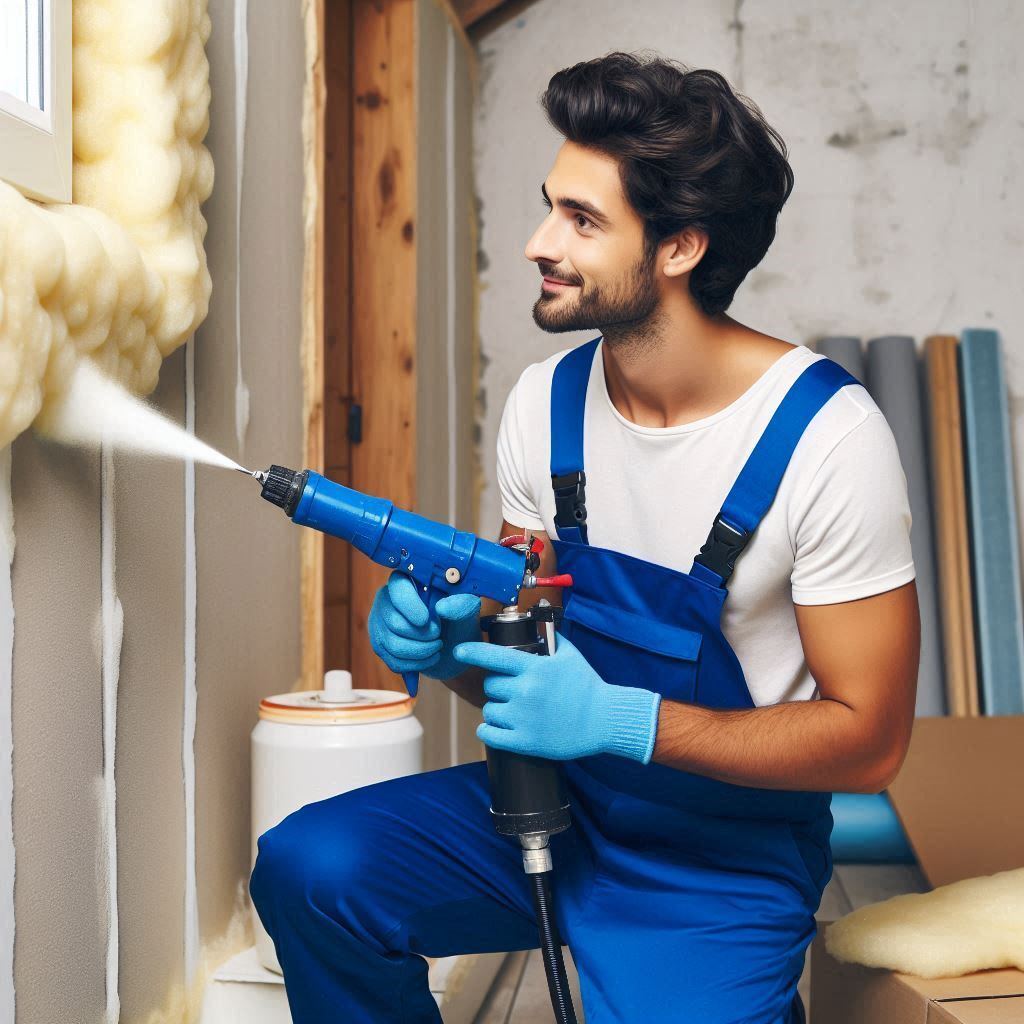
When considering spray foam insulation, it’s important to choose the right type and formulation for your specific needs. As previously mentioned, there are two main types: open-cell and closed-cell spray foam. Each has its own advantages and is suitable for different applications.
Open-Cell Spray Foam: Ideal for interior spaces, open-cell spray foam is less dense and more flexible. It is often used in walls, ceilings, and attics where soundproofing and air sealing are desired. Open-cell foam allows some moisture permeability, which can be beneficial in certain climates to avoid trapping moisture inside walls.
Closed-Cell Spray Foam: This type of foam is denser and provides a stronger barrier against moisture and air infiltration. It is commonly used in exterior applications, basements, crawl spaces, and areas prone to high humidity or water exposure. Closed-cell foam also adds structural strength to your home, making it a preferred choice in regions with extreme weather conditions.
In addition to choosing the right type of spray foam, it’s crucial to work with a reputable installer who can ensure proper application. A well-experienced contractor will understand the nuances of spray foam insulation, including how to achieve optimal coverage and avoid common pitfalls such as overexpansion or under-application.
The Future of Home Insulation: Innovations in Spray Foam Technology
As the demand for energy-efficient and environmentally friendly homes continues to grow, innovations in spray foam insulation technology are paving the way for even more advanced solutions. New developments include spray foams with enhanced R-values (a measure of thermal resistance), lower global warming potential (GWP), and improved sustainability profiles.
For example, some manufacturers are now offering spray foams that use water or plant-based blowing agents instead of traditional hydrofluorocarbons (HFCs), which have a high GWP. These new formulations are not only better for the environment but also meet stricter regulatory standards for insulation materials.
Another exciting development is the integration of smart technology with spray foam insulation. Some systems now include sensors embedded in the foam that monitor insulation performance, moisture levels, and air quality in real-time. This allows homeowners to detect potential issues early and take corrective action before they become major problems.
Conclusion: Transforming Your Home with Spray Foam Insulation
Spray foam insulation is more than just a building material—it’s a transformative solution that enhances your home’s comfort, health, energy efficiency, and sustainability. By choosing spray foam insulation, you’re making a long-term investment in your family’s well-being and the future of your home.
Whether you’re building a new home or upgrading an existing one, spray foam insulation offers unparalleled benefits that traditional insulation materials simply can’t match. From improved indoor air quality and moisture control to energy savings and enhanced structural integrity, spray foam insulation is a key component of a healthy, efficient, and resilient home.
As the building industry continues to evolve, spray foam insulation will likely play an increasingly important role in creating homes that are not only comfortable and cost-effective but also sustainable and environmentally responsible. By staying informed about the latest advancements in spray foam technology and choosing the right products and installers, you can ensure that your home remains a safe, healthy, and welcoming sanctuary for years to come.
Frequently Asked Questions (FAQs) about Spray Foam Insulation
- What is spray foam insulation made of?
Spray foam insulation is primarily composed of two chemical compounds: polyurethane and isocyanate. When these components are mixed together, they react to form a foam that expands and hardens. This foam is applied to walls, ceilings, floors, and other areas of your home to create an effective insulating barrier. - How does spray foam insulation differ from traditional insulation materials?
Spray foam insulation differs from traditional insulation materials like fiberglass or cellulose in its ability to expand and fill gaps, cracks, and crevices, creating a continuous and airtight seal. This eliminates air leaks and improves energy efficiency more effectively than traditional materials, which may leave small gaps that allow air infiltration. - Is spray foam insulation safe for my family and pets?
Yes, spray foam insulation is safe for both your family and pets when properly installed by a trained professional. Once cured, the foam is inert and does not emit harmful chemicals. It also does not contain formaldehyde, which can be found in some traditional insulation materials. - How long does spray foam insulation last?
Spray foam insulation is highly durable and can last the lifetime of your home without the need for replacement. Its longevity is one of its key advantages over traditional insulation materials, which may need to be replaced or upgraded more frequently. - Can spray foam insulation help reduce my energy bills?
Yes, spray foam insulation can significantly reduce your energy bills by creating a more energy-efficient home. Its ability to form an airtight seal minimizes heat loss in the winter and heat gain in the summer, reducing the need for heating and cooling. This leads to lower energy consumption and cost savings. - What is the difference between open-cell and closed-cell spray foam insulation?
Open-cell spray foam is less dense, more flexible, and allows for some air and moisture permeability, making it suitable for interior applications. Closed-cell spray foam is denser, more rigid, and provides superior moisture resistance and structural support, making it ideal for exterior applications and areas prone to high humidity. - Can spray foam insulation be installed in existing homes, or is it only for new construction?
Spray foam insulation can be installed in both new construction and existing homes. It is often used in retrofit projects to upgrade insulation in older homes, improve energy efficiency, and enhance comfort. Professional installers can apply spray foam insulation to walls, attics, crawl spaces, and other areas in existing homes. - How much does spray foam insulation cost?
The cost of spray foam insulation varies depending on factors such as the size of the area to be insulated, the type of foam used (open-cell or closed-cell), and the complexity of the installation. While the initial cost is higher than traditional insulation materials, the long-term energy savings and other benefits often outweigh the initial investment. - How do I choose the right spray foam insulation contractor?
When choosing a spray foam insulation contractor, look for a company with a solid reputation, experienced professionals, and proper certifications. It’s important to ask for references, check reviews, and ensure that the contractor follows safety protocols and industry best practices. A reputable contractor will assess your home’s needs, recommend the right type of insulation, and ensure proper installation. - Is spray foam insulation environmentally friendly?
Spray foam insulation can be environmentally friendly, especially when it contributes to reduced energy consumption and lower greenhouse gas emissions. Additionally, some spray foams are made from renewable or recycled materials and use low-GWP blowing agents, further reducing their environmental impact. - Can spray foam insulation help with soundproofing?
Yes, spray foam insulation has soundproofing properties, especially open-cell foam. It absorbs sound waves, reducing noise transmission between rooms and from outside sources. This makes it an excellent choice for homes in noisy environments or for those looking to create a quieter living space. - Will spray foam insulation prevent mold and mildew?
Spray foam insulation, particularly closed-cell foam, is highly resistant to moisture, which helps prevent mold and mildew growth. By creating an airtight barrier and reducing the likelihood of water infiltration, spray foam insulation minimizes the conditions that lead to mold and mildew development. - Can spray foam insulation be used in all climates?
Yes, spray foam insulation is versatile and can be used in various climates. Closed-cell foam is particularly well-suited for areas with high humidity, heavy rainfall, or extreme temperatures, as it provides excellent moisture resistance and structural support. Open-cell foam is more commonly used in milder climates or interior applications where flexibility and soundproofing are prioritized. - How long does it take to install spray foam insulation?
The installation time for spray foam insulation depends on the size of the project and the specific areas being insulated. Typically, a professional crew can complete the insulation of an average-sized home within a few days. The foam itself cures quickly, usually within 24 hours, allowing you to return to normal activities shortly after installation.

 Balanced Family Life